
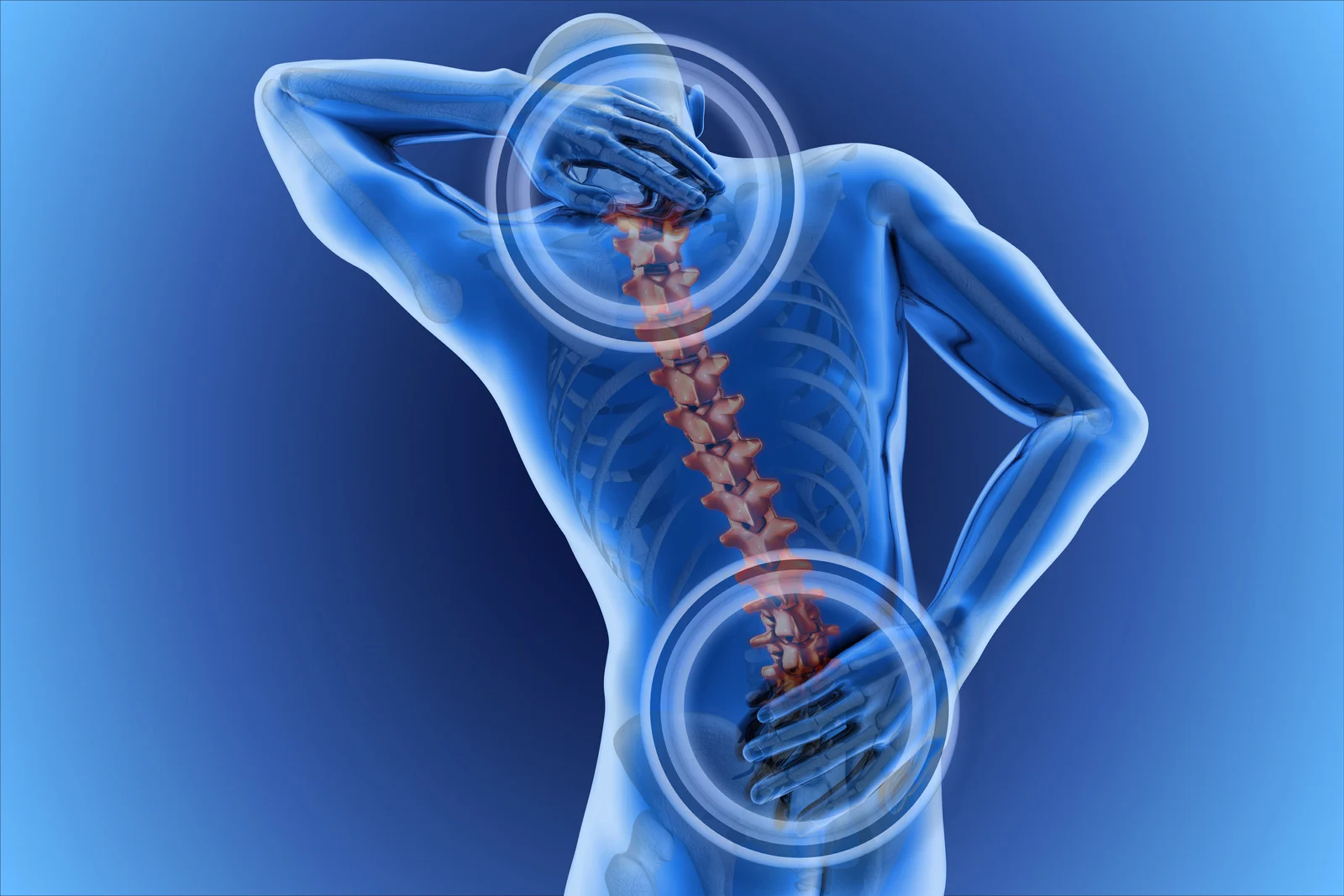
You finish your set, rack the bar, and feel it immediately. That tight, nagging pain in your lower back makes you question whether deadlifts are even worth it.
Deadlifts are one of the most effective strength-building exercises, but when pain shows up, it can feel frustrating and confusing. The good news is that most back pain after deadlifts is preventable and fixable with the right strategy. You do not have to give up lifting to feel better.
>>>Get back to lifting confidently! Request an appointment today and start moving better and feeling stronger.
Why Your Back Hurts After Deadlifts
Back pain after deadlifts often comes down to how your body manages load and movement. When something is off, your lower back ends up doing more work than it should.
Poor core bracing is one of the biggest contributors. If your core is not properly engaged before lifting, your spine lacks the stability it needs to handle heavier weight safely.
Fatigue also plays a role. Even if your form starts strong, it can break down slightly as you get tired, increasing stress on your back without you realizing it.
In some cases, the issue is not your back at all. Limited mobility in your hips or hamstrings can force your lower back to compensate, leading to irritation after your workout.
Signs Your Deadlift Form Needs Adjustment
Not all soreness is a problem, but certain signs suggest your technique needs attention.
- Sharp or pinpoint pain during or after lifting
- Increasing discomfort with each set
- Lingering tightness that lasts several days
- Feeling your lower back working more than your glutes
A well-executed deadlift should primarily target your glutes and hamstrings. If your lower back feels like it is doing the majority of the work, your movement pattern likely needs correction.
The Importance of Core Control
Your core is responsible for stabilizing your spine while your hips generate force. Without proper control, your lower back absorbs stress that should be distributed throughout your body.
This is where Therapeutic Exercise becomes a key part of recovery and performance. Improving your ability to brace and control movement helps reduce strain on your spine.
Instead of focusing only on strengthening your back, it is more effective to train coordination and stability. Simple adjustments like breathing mechanics and controlled core engagement can significantly improve how your body handles load.
Mobility Limitations That Contribute to Pain
Mobility restrictions often play a hidden role in back pain during deadlifts. When your hips cannot move efficiently, your spine compensates.
Tight hamstrings, limited hip hinge mechanics, and restricted ankle mobility are common contributors. These limitations change your positioning and increase stress on your lower back.
Improving mobility is not about stretching endlessly. It involves targeted work combined with strength training so your body can use that range of motion effectively during lifts.
How to Fix Your Deadlift Technique
Making small adjustments to your deadlift can have a big impact on reducing pain and improving performance.
- Brace your core before initiating the lift
- Keep the bar close to your body throughout the movement
- Drive through your heels and engage your glutes
- Maintain a neutral spine without rounding or overextending
- Temporarily reduce weight to focus on proper form
These changes help shift the workload to the muscles designed to handle it.
Pairing these improvements with Manual Therapy can also help reduce muscle tension and improve movement quality.
When It Is Time to Get Help
Sometimes back pain does not resolve with simple adjustments. If symptoms persist or interfere with daily activities, it is time to take a closer look.
Pain that radiates, stiffness that limits movement, or discomfort that continues despite rest are all signs that your body needs more support.
Many active adults in Cache Valley seek guidance in North Logan or Providence to identify the root cause and build a clear recovery plan.
Why Education Beats Avoidance
It is common to avoid deadlifts entirely after experiencing pain. While this might reduce symptoms temporarily, it does not solve the underlying problem.
Understanding why your pain started allows you to address it directly. This is where Pain Neuroscience Education becomes valuable.
Learning how pain works can reduce fear and help you return to lifting with confidence. Research consistently shows that movement combined with education leads to better long-term outcomes than rest alone.
Rebuild Strength With Confidence
Returning to deadlifts after back pain requires a gradual and intentional approach. Start with lighter loads, focus on control, and progress as your confidence builds.
It is normal to feel hesitant at first, but consistency and proper guidance make a significant difference. When your body moves well, strength follows.
Take Action and Keep Lifting
Back pain after deadlifts does not mean you have to stop training. It means your body is asking for a smarter, more efficient approach.
With the right combination of technique, mobility, and stability work, you can continue lifting safely and effectively.
If you are ready to stop guessing and start improving, call North Logan at (435) 213-9268 or Providence at (435) 535-3677, or request an appointment online today.