
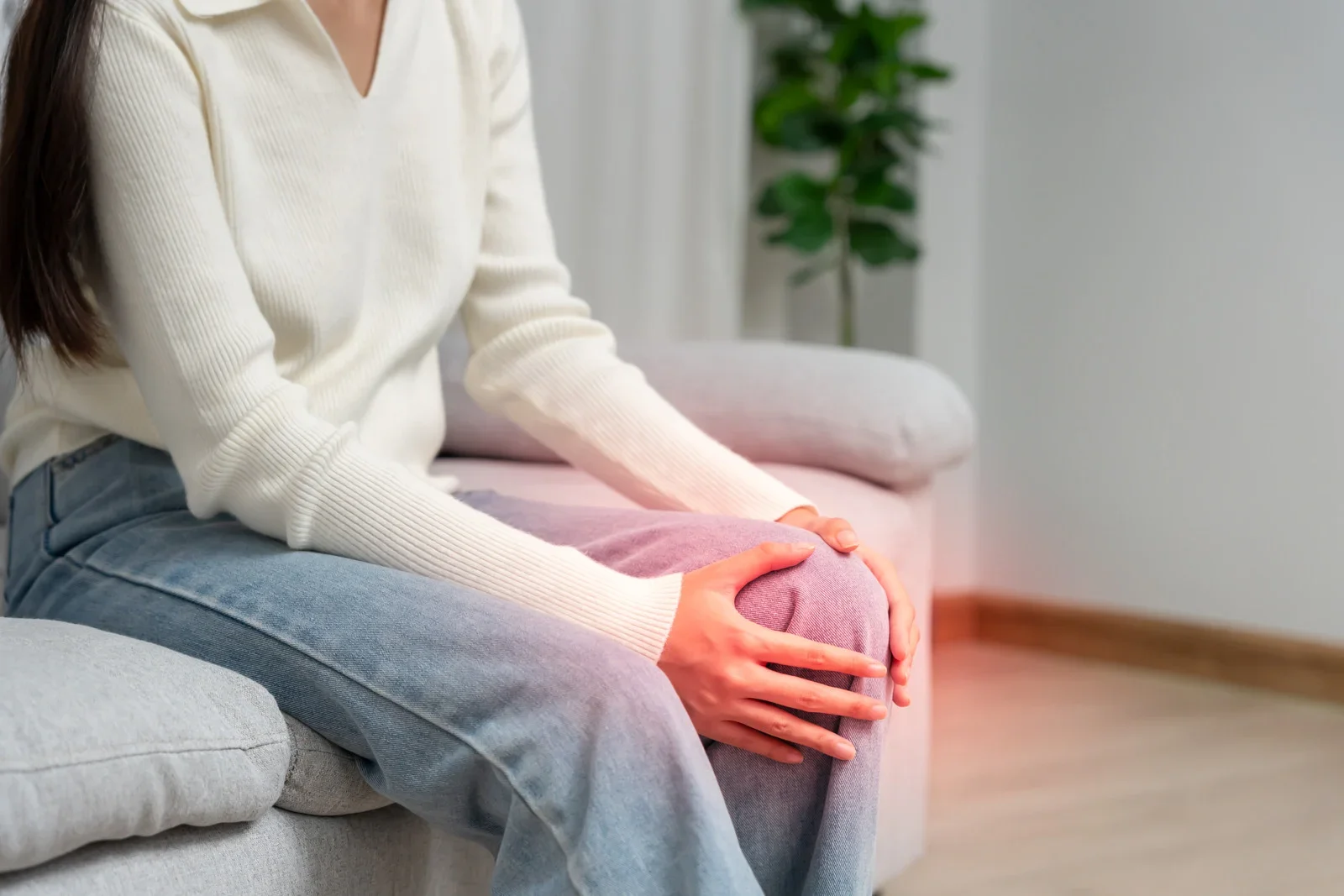
Knee pain when squatting is one of the most common complaints we hear from patients of all ages and activity levels.
Whether you are an athlete pushing through a heavy training session or simply trying to pick something up off the floor, knee discomfort can make even the most basic movements feel daunting. The good news is that most causes of squatting-related knee pain are highly treatable with the right approach.
Many people assume that knee pain is simply a sign of aging or overuse, but the reality is far more nuanced. Structural issues, muscle imbalances, and movement dysfunction all play a role in how and why your knees hurt. Identifying the root cause is the first step toward lasting relief, and that is exactly what our team is trained to do.
>>>Schedule an appointment online to start your recovery journey today.
Common Causes of Knee Pain When Squatting
Patellofemoral pain syndrome is one of the leading causes of knee pain during squatting, occurring when the kneecap does not track correctly along the femoral groove. Patellar tendonitis, often called “jumper’s knee,” develops from repetitive strain on the tendon connecting the kneecap to the shinbone and is common among athletes.
Meniscus tears and ligament injuries can also produce sharp or aching pain during squatting movements, particularly when the knee is under load. Each of these conditions has a distinct presentation, which is why a thorough evaluation is essential before beginning treatment.
Iliotibial band tightness and hip flexor restrictions can create compensatory patterns that place excessive stress on the knee joint. Osteoarthritis, while more common in older adults, can also contribute to squatting pain by reducing the cushioning between the joint surfaces. Our team conducts a comprehensive movement and orthopedic assessment to pinpoint the exact source of your discomfort. Understanding what is driving your pain allows us to create a targeted treatment plan that addresses the problem at its core.
How Muscle Imbalances Contribute to Knee Pain
Weakness in the quadriceps, glutes, and hip abductors is a primary driver of poor knee mechanics during squatting. When these muscles are not strong enough to control the movement, the knee collapses inward, a pattern known as valgus collapse, which dramatically increases stress on the joint.
Tight hamstrings and restricted ankle mobility can also force the knee into unfavorable positions during the squat. These imbalances often develop gradually and go unnoticed until pain becomes severe enough to interfere with daily life.
Our team specializes in identifying these movement deficiencies through functional testing and gait analysis. We design individualized corrective exercise programs that target the specific muscles and movement patterns contributing to your pain.
By restoring balance and coordination throughout the lower extremity, we help you move more efficiently and safely. This approach not only reduces pain but also builds the foundation for long-term joint health and performance.
Physical Therapy Techniques That Make a Difference
Our treatment approach for squatting-related knee pain combines several evidence-based techniques to deliver comprehensive results. We begin with a thorough assessment to understand your movement patterns, strength levels, and pain triggers. From there, we develop a customized plan that may include a combination of the following interventions:
- Manual therapy and joint mobilization to restore proper knee mechanics and reduce stiffness
- Therapeutic exercise progressions targeting the quadriceps, glutes, and hip stabilizers
- Soft tissue mobilization and myofascial release to address muscular tightness
- Movement retraining to correct faulty squat mechanics and reduce joint stress
- Dry needling to release trigger points and accelerate tissue healing
Each of these techniques is selected based on your specific diagnosis and functional goals. We continuously reassess your progress and adjust the plan to ensure you are moving forward at the right pace. Our goal is not just to eliminate pain but to restore your full capacity to squat, move, and perform without limitation.
The Role of Proper Squat Mechanics in Injury Prevention
Faulty squat mechanics are one of the most preventable causes of knee pain, yet they are often overlooked. Common errors include allowing the knees to cave inward, rising onto the toes, or rounding the lower back under load. These movement faults increase compressive and shear forces on the knee joint, accelerating wear and increasing injury risk. Learning to squat correctly is a skill that pays dividends for decades of pain-free movement.
Our team provides detailed movement coaching to help you master the fundamental mechanics of a safe and effective squat. We use video analysis and real-time feedback to identify and correct errors in your technique. Proper squat mechanics ensure that the workload is distributed appropriately among the hips, knees, and ankles. With consistent practice and expert guidance, you can retrain your movement patterns and protect your joints for the long term.
What to Expect During Your Recovery
Recovery from squatting-related knee pain varies depending on the underlying cause and the severity of the condition. Most patients begin to notice meaningful improvements within the first few weeks of consistent physical therapy. Our team sets clear, measurable goals at the outset so you always know where you stand in your recovery journey. We also educate you on how to manage symptoms at home between sessions to accelerate your progress.
- Week 1–2: Pain reduction, improved range of motion, and introduction of foundational exercises
- Week 3–4: Progressive strengthening and movement retraining under increasing load
- Week 5–6: Return to functional activities and sport-specific movements with proper mechanics
- Ongoing: Home exercise program and lifestyle guidance to maintain results and prevent recurrence
Every patient’s timeline is unique, and we tailor the pace of progression to your individual response to treatment. We celebrate every milestone with you and provide the support and accountability you need to stay on track. Our commitment to your recovery does not end when you leave the clinic, it extends to every aspect of your daily life.
Lifestyle Adjustments That Support Knee Health
Maintaining a healthy body weight is one of the most impactful lifestyle changes you can make for your knee health. Research consistently shows that even modest reductions in body weight significantly decrease the load on the knee joint during activity.
Wearing supportive footwear and using orthotics when necessary can also improve lower extremity alignment and reduce knee stress. These practical modifications complement your physical therapy program and help sustain your results over time.
Gradually increasing the intensity and volume of your exercise routine prevents overuse injuries and allows your tissues to adapt. Incorporating adequate rest and recovery into your training schedule is equally important for long-term joint health.
Our team provides personalized guidance on activity modification, nutrition, and recovery strategies to support your healing. Making these informed choices empowers you to take ownership of your health and protect your knees for years to come.
Ready to Squat Without Pain? We’re Here to Help
Knee pain when squatting is a signal that something in your movement system needs attention, and the sooner you act, the faster you will recover. Our team brings expertise in orthopedic physical therapy, movement analysis, and sports rehabilitation to every patient we treat. We are passionate about helping you get back to the activities you love, free from pain and limitation.
Do not let knee pain dictate what you can and cannot do. Whether you are a competitive athlete or simply want to move through your day without discomfort, we have the tools and expertise to help. Our clinic serves both Providence and North Logan, and we are ready to build a plan that fits your life and your goals.
Schedule your evaluation online to speak with a specialist.